

In a world where sedentary lifestyles are becoming the norm, finding the motivation to move is more important than ever. Engaging in sports is one of the most effective and enjoyable ways to combat health issues and boost your quality of life at any age.
Whether you prefer the camaraderie of team sports or the solitude of a long run, regular athletic activity offers profound benefits that extend far beyond the playing field. The health benefits of sports are well-documented by organizations like the CDC, who emphasize that regular physical activity significantly reduces the risk of chronic disease. From strengthening your heart to clearing your mind, this guide explores the holistic advantages of sports and how you can make them a staple in your daily life.
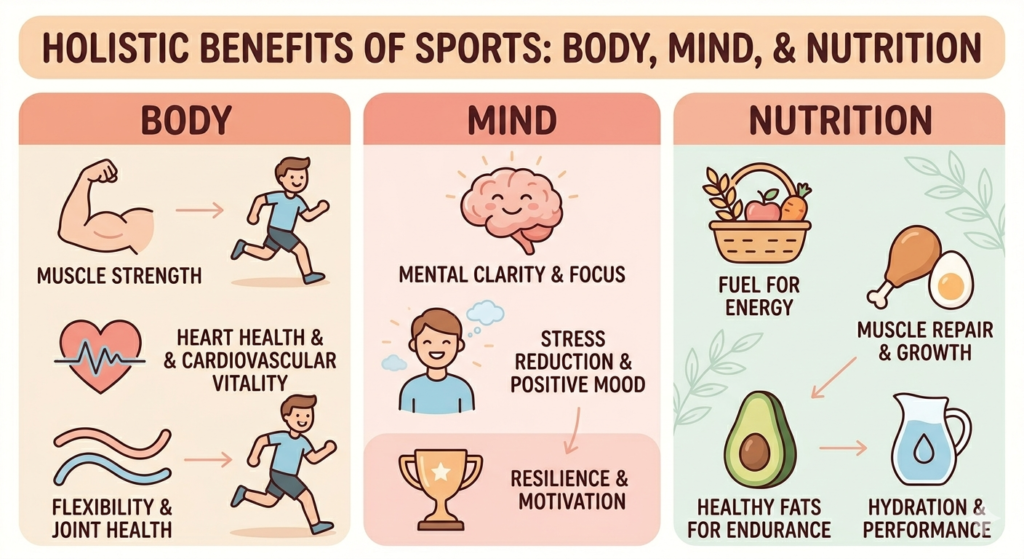
-Health Benefits of Sports
We will cover the physical transformations—cardiovascular health, muscle strength, and weight management—alongside mental health advantages like stress reduction and social connection. Whether you are a seasoned athlete or just beginning your fitness journey, understanding these benefits can help you lace up your shoes and get moving.
The Physical Benefits: Building a Stronger, Healthier Body
The impact of regular physical activity on the human body is profound. Engaging in sports not only serves as a source of entertainment but also delivers powerful health benefits of sports that transform your overall well-being. Here is how regular exercise improves your physique:
1. Enhanced Cardiovascular Health
One of the most compelling health benefits of sports is the protection of your heart. Regular participation in aerobic activities—such as running, cycling, or swimming—strengthens the heart muscle and improves blood circulation. According to studies published in sports medicine journals, individuals who engage in moderate to vigorous activity have a significantly lower risk of developing heart disease, obesity, and hypertension. This cardiovascular health improvement is one of the primary reasons doctors recommend regular athletic activity.
2. Increased Muscle Strength and Endurance
Whether you are lifting weights in the gym or pushing opponents in a rugby match, resistance is key to growth. Sports that involve sprinting, jumping, and lifting challenge your muscle fibers, promoting hypertrophy. The American College of Sports Medicine notes that consistent participation in strength-based sports can increase muscle strength by up to 15%, leading to better metabolism and overall functional strength. These physical improvements are just one part of the total health benefits of the sports package.
3. Improved Joint Flexibility and Mobility
Contrary to the myth that exercise is “bad for the joints,” sports that emphasize a full range of motion—such as gymnastics, yoga, and martial arts—actually improve joint flexibility. Enhanced mobility leads to a decreased risk of injuries in daily life and helps athletes maintain optimal performance levels as they age. For older adults, these health benefits of sports can mean the difference between an active retirement and a sedentary one.
4. Effective Weight Management
Struggling to maintain a healthy weight? Sports are a practical and fun solution for weight management. High-intensity activities lead to significant calorie expenditure. For example, an individual weighing 155 pounds can burn nearly 500 calories during just one hour of soccer. This consistent calorie burn is crucial for preventing obesity and achieving long-term fitness goals. When combined with proper nutrition, the health benefits of sports for weight control are undeniable.
The Mental Health Benefits: Strengthening the Mind
While the physical results are often the most visible, the psychological advantages of playing sports are equally transformative. The mental health benefits of regular athletic activity are backed by decades of research.
1. Stress and Anxiety Reduction
In our high-pressure society, finding an outlet for stress relief is vital. Physical exercise triggers the release of endorphins—often called the “feel-good” hormones. These chemicals interact with receptors in your brain to reduce the perception of pain and trigger positive feelings, acting as a natural remedy for anxiety and depression. This is one of the most valuable health benefits of sports for those juggling work, family, and daily responsibilities.
2. Building Social Connections
Sports provide a unique platform for social interaction. The camaraderie developed through teamwork fosters deep relationships that combat loneliness. Engaging with peers in a competitive or recreational environment naturally enhances communication and collaboration skills, creating a support network vital for emotional stability. For many participants, these social connections become as important as the physical health benefits of sports.
3. Boosting Confidence and Resilience
Overcoming obstacles in sports—whether hitting a personal best in running or winning a tough match—builds character. This resilience translates directly into professional and personal life. As athletes refine their skills, they develop a sense of achievement that bolsters self-confidence and equips them to handle stressors outside of the sports arena. The psychological health benefits of sports extend far beyond the field or court.
To reap the full health benefits of sports, you must pay attention to what you put into your body. Sports nutrition is the fuel that powers performance and recovery. Without proper fueling, even the most dedicated athlete will struggle to see results.
Carbohydrates for Energy
Carbs are the primary fuel source for high-intensity workouts. They replenish glycogen stores in your muscles. Opt for whole grains, fruits, and vegetables to sustain energy levels throughout your training.
Proteins for Repair
Proteins are indispensable for muscle repair. Athletes should incorporate lean meats, fish, legumes, or dairy into their diets to ensure adequate amino acid intake for muscle synthesis. This is a critical component of maximizing the health benefits of sports.
Healthy Fats for Endurance
Healthy fats—found in avocados, nuts, and olive oil—provide a concentrated energy source essential for prolonged activities. They also support hormone function and nutrient absorption.
The Importance of Hydration
Maintaining fluid balance is critical for athletic performance. Dehydration can severely impede performance and impact health. Athletes should drink water before, during, and after exercise and consider electrolyte drinks during long sessions to replenish lost salts. Proper hydration ensures you experience the full health benefits of sports without unnecessary fatigue or risk of injury.
Knowing the health benefits of sports is one thing; applying them is another. Here is how to make regular physical activity a consistent part of your routine:
Set Realistic Goals
Keep a log of your achievements. Setting achievable goals, such as increasing your workout frequency or running a little further each week, creates a clear path to progress. This goal-setting approach keeps you motivated and accountable.
Find Your “Why”
Whether it is weight loss, stress relief, or socializing, knowing your motivation will help you stay on track. Your personal reason for pursuing the health benefits of sports will sustain you on days when motivation is low.
Join a League
For those who thrive in groups, joining a community sports league—like soccer, volleyball, or basketball—provides structure and accountability. Team sports offer the bonus of social connection while delivering all the physical health benefits of sports.
Embrace Individual Sports
If you prefer solitude, try running, swimming, or cycling. These allow for flexible scheduling and personal goal setting. Individual sports still deliver the same powerful health benefits of sports as team activities.
Try Fitness Classes
Yoga, Pilates, or aerobics offer significant health advantages while accommodating different fitness levels. These structured classes are perfect for beginners looking to explore the health benefits of sports in a supportive environment.
Conclusion
The manifold health benefits of sports clearly underline the importance of integrating athletic activities into daily life. From a stronger heart and sharper mind to the essential fuel of good nutrition, every aspect of your health stands to gain. The physical benefits—including cardiovascular health, muscle strength, and weight management—combine with mental health benefits like stress relief and self-confidence to create a complete picture of wellness. Health organizations across the globe, including the CDC, advocate for regular engagement in sports to foster better well-being in individuals of all ages. So, lace up your shoes, find an activity you love, and take the first step toward a healthier, happier you today.
